This guide explains what sewing notions are, which ones every beginner should have in their kit, and a few you might not have heard of yet, including one game-changing tool that makes cutting out patterns far more accurate.
If you’ve been reading sewing patterns or browsing sewing websites and kept coming across the word “notions” without quite knowing what it meant, you’re not alone. It’s one of those sewing terms that gets used all the time as if everyone already knows it. So let’s sort that out, shall we?
What is a Sewing Notion?
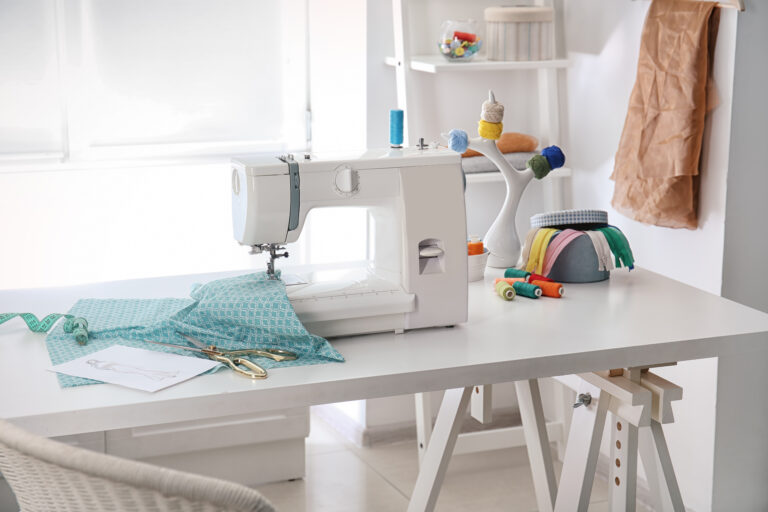
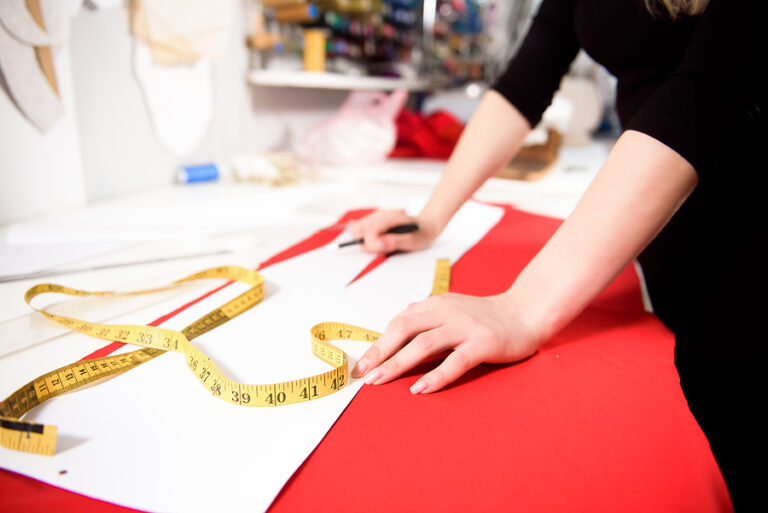
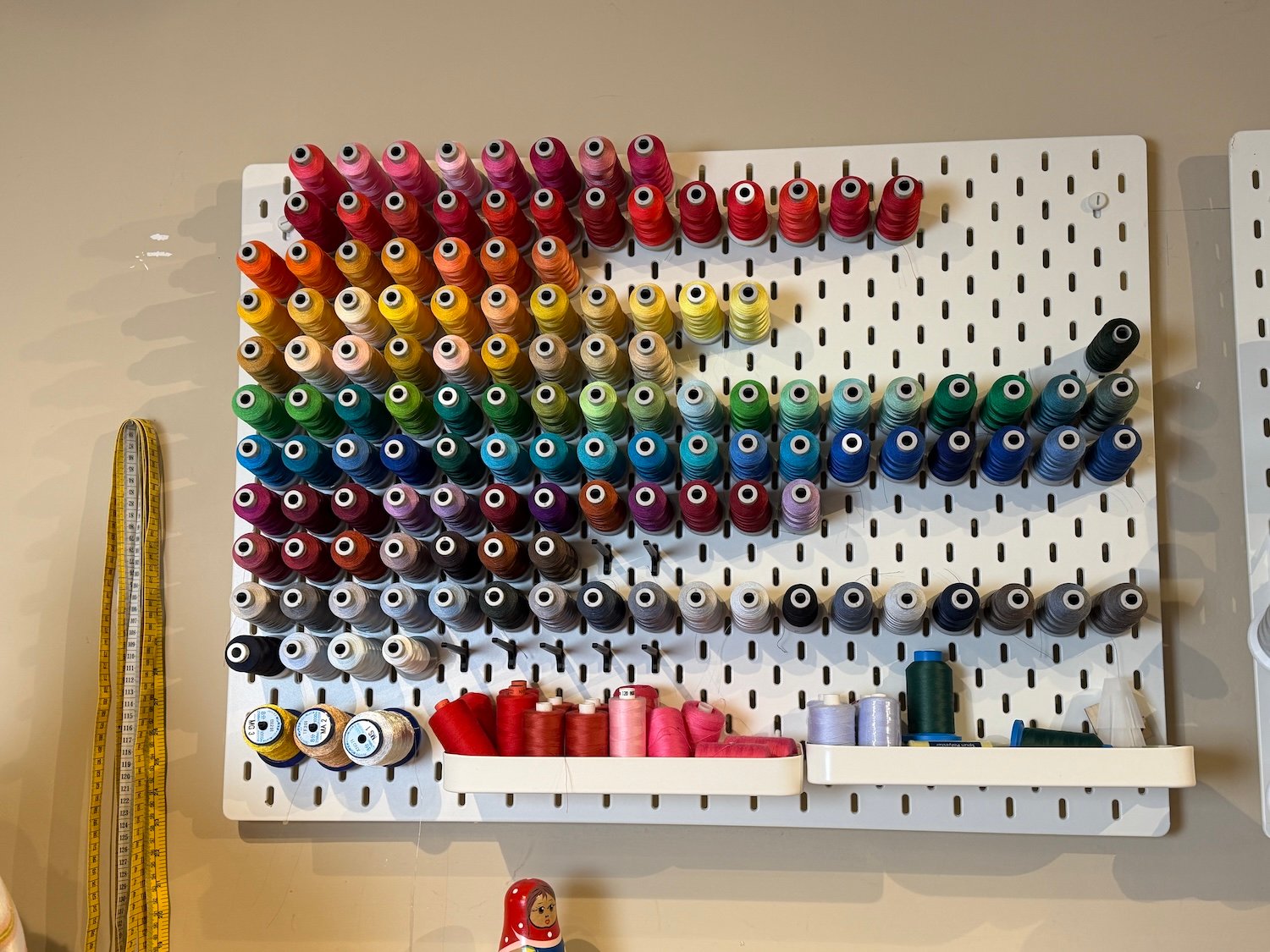
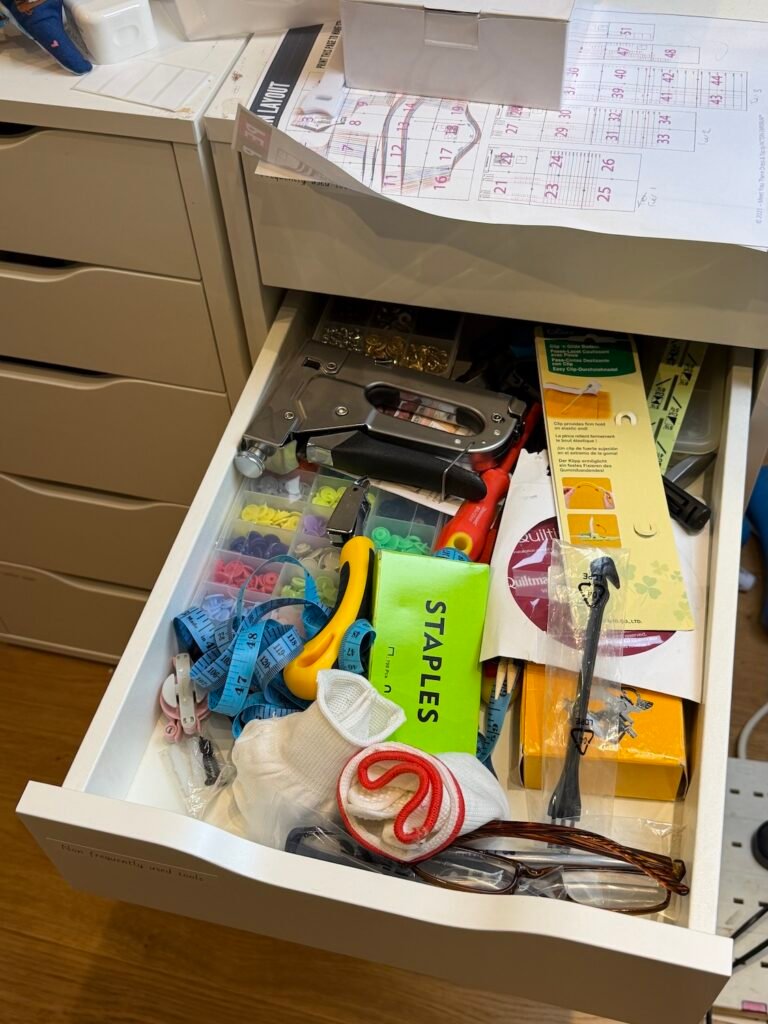
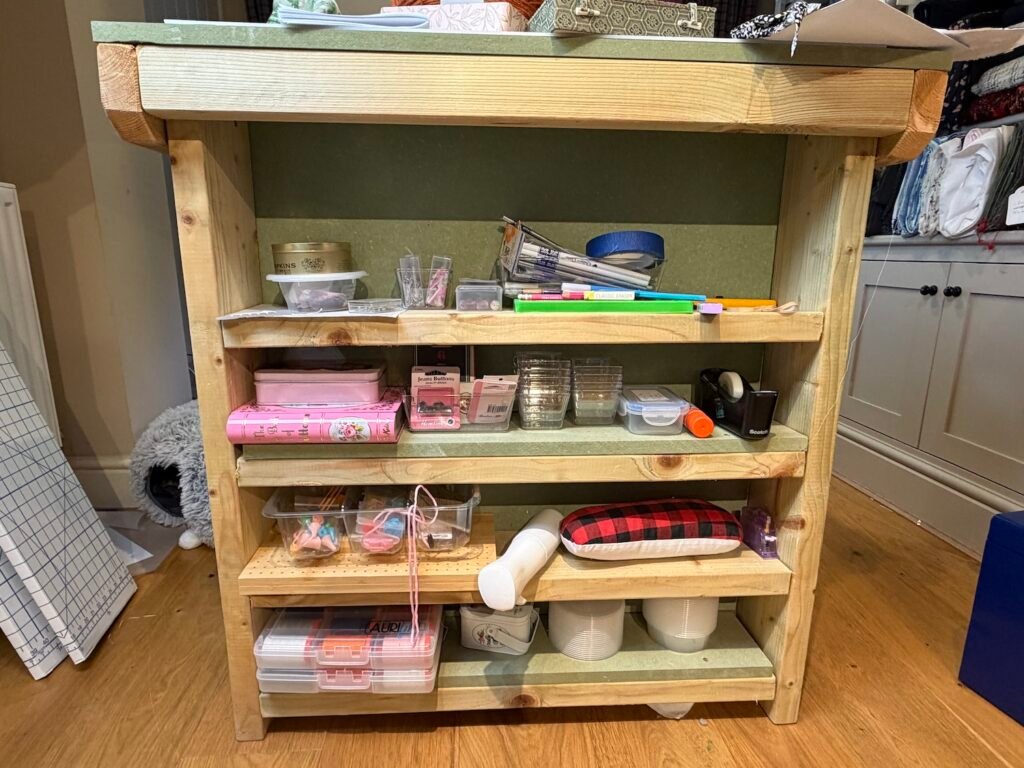
Think of notions as all the small tools and supplies you use to help you sew — everything apart from the fabric and the machine itself. Things like a seam ripper, a tape measure, markers for transferring pattern markings, pins, a seam gauge. Even something as specific as a quilting template counts as a notion.
In short: if it helps you sew and fits in your sewing basket, it’s probably a notion.
You might also hear the word haberdashery used in the same way, particularly in UK shops. It’s an older term that covers notions plus things like buttons, zips, ribbon and elastic. Walk into a fabric shop and the haberdashery section is where you’ll find all the good stuff.
Sewing Notions Every Beginner Needs
Although it might be tempting to go and buy absolutely all the tools, you don’t need a huge collection to get started. These are the notions I’d consider essential for any beginner:
Machine Needles
A good selection of sewing machine needles is non-negotiable. Different fabrics need different needle types and sizes, and using the wrong one is the cause of more sewing problems than almost anything else. I’ve written a whole post on this — pop over to my sewing machine needle guide [https://sewlouisa.com/sewing-machine-needle-guide/ for everything you need to know.
A Fabric Marker
You’ll need some way of transferring pattern markings onto your fabric — things like darts, notches, fold lines and button placements. A non-permanent marker is what you want, so the marks disappear before or after sewing. Tailor’s chalk is a classic option, and air-erasable pens are brilliant too — the marks simply fade away on their own after a day or two. Both do the job well, so it comes down to personal preference.
A Tape Measure
Essential for taking measurements, checking pattern pieces and all sorts of other jobs that come up when you’re sewing. Get a flexible one that measures in both centimetres and inches, and store it hanging rather than rolled up to keep it from stretching. I covered this in detail in my sewing equipment post [https://sewlouisa.com/important-tools-beginners-sewing-kit/ if you want the full rundown.
Fabric Scissors and Paper Scissors
Keep these separate, always. Cutting paper with fabric scissors blunts them immediately. Label your fabric scissors clearly so nobody accidentally uses them for anything else. (I tie a bit of ribbon to mine. Works a treat.)
Pins
For holding fabric pieces together while you sew. Glass-headed pins are my preference as they’re easier on the fingers and won’t melt if you accidentally press over them with an iron. And you will. At some point, everyone does.
Rotary cutter and cutting mat
I wish I’d found these sooner! I came to these later than I should have, and once I started using them I couldn’t believe I’d managed without them for so long.
A rotary cutter looks a bit like a pizza wheel for fabric. Paired with a self-healing cutting mat and a quilting ruler, it gives you a far more accurate cut than scissors, particularly on straight lines and long seams. It’s quicker too, which is always welcome.
If you’re still cutting everything out with scissors and finding it a bit of a faff, this is the upgrade worth making. It’s one of those tools that makes a real, noticeable difference the first time you use it.
Notions That Sound Intimidating But Really Aren’t
Some sewing notions have names or looks that make them seem more complicated than they are. The one I’d highlight most for beginners is the walking foot. It’s a speciality presser foot that feeds both layers of fabric through the machine at the same time, rather than just the bottom layer. This is brilliant for sewing stripes (so they match up at the seams), quilts, and crucially, knit fabrics.
It looks a bit mechanical and feels a bit intimidating the first time you clip it onto your machine. But once it’s on and you start sewing, you’ll wonder what all the fuss was about. It’s one of those notions that solves a problem you might not even know you have yet, but you’ll be very glad you know about it when you do.
Where to Buy Sewing Notions in the UK
Most haberdashery shops and sewing retailers will stock a good range of notions. Here are a few places worth knowing about:
– Craft House Magic — a lovely shop with a great selection of sewing accessories and notions. Worth a browse.
– Hobbycraft — good for basics, widely available across the UK.
– Sewing Direct — brilliant online shop with a wide range of tools and notions.
– Your local fabric shop — always worth supporting if you have one nearby. Staff in independent shops often have brilliant product knowledge too.
Build Your Kit Gradually
You don’t need to buy every notion at once. Start with the essentials such as needles, a marker, a tape measure, scissors and pins and add to your kit as you go. You’ll quickly discover which tools you reach for most and which ones suit the kind of sewing you enjoy.
For more beginner guidance, come and join my free Sewing Library — there’s plenty in there to help you get set up with confidence.
Got a question about any of this? Pop me an email — I’d love to hear from you.
Happy sewing! Louisa x
Frequently Asked Questions
A sewing notion is any small tool or supply used to help you sew, apart from the fabric and the machine itself. Examples include pins, needles, a tape measure, fabric markers, a seam ripper and a seam gauge. In UK shops you’ll often find notions in the haberdashery section.
The essentials are sewing machine needles, a non-permanent fabric marker (tailor’s chalk or air-erasable pen), a tape measure, fabric scissors (kept strictly for fabric), paper scissors, and pins. These will see you through most beginner projects
They’re closely related terms. Notions refers to the small tools and supplies used in sewing. Haberdashery is a broader UK term that covers notions plus items like buttons, zips, ribbon, elastic and other trimmings. In practice the two words are often used interchangeably.
A rotary cutter is a circular blade tool used with a self-healing cutting mat and quilting ruler to cut fabric accurately and quickly. It’s not essential for beginners but it’s a brilliant upgrade from scissors, particularly for cutting straight lines. Once you try one, you’ll wonder how you managed without it.
A walking foot is a speciality presser foot that feeds both layers of fabric through the machine evenly at the same time. It’s particularly useful for sewing knit fabrics, matching stripes and sewing quilts. It looks complicated but is straightforward to use once it’s on the machine.